

The game has changed in the NHL. No longer are teams built solely through drafting and developing. True contenders find their solutions from just about every avenue they can. When it comes to the draft, the Detroit Red Wings have done their homework. They've secured key pieces like Moritz Seider, Simon Edvinsson, Lucas Raymond and even luxury pieces like Emmitt Finnie.
Where they need to pick up the pace, however, is everywhere else.
On paper, Steve Yzerman's roster construction philosophy makes sense: build through the draft, then sign depth as it's needed.
But how much of that philosophy is relevant in today's NHL?
This graphic shows how each Stanley Cup contending team was built:
— Colton Hill (@Colton_Hill) May 21, 2026
If the Red Wings are serious about the playoffs next season, they need to expand their way of thinking beyond just the draft.
How contenders weaponize the trade market
As of today, the Vegas Golden Knights are one win away from the Stanley Cup Finals. Nine of their 12 top performers in the playoffs came from trades. Just one - Pavel Dorofeyev - came from the draft. They've been exceptional at capitalizing on the trade market, securing key players like Jack Eichel and Tomas Hertl with as many deals as the market can handle.
But Vegas isn't the only one to take advantage of trades. Seven of the Colorado Avalanche's 12 top players came from trades, including high-end talent like Martin Necas. To be fair, Necas came from the Mikko Rantanen trade, but the vast majority of the depth talent comes from trades. Their core of Nathan MacKinnon, Cale Makar and Gabriel Landeskog lead the charge, but the bolstered depth of guys like Brock Nelson and Necas come from the trade market.
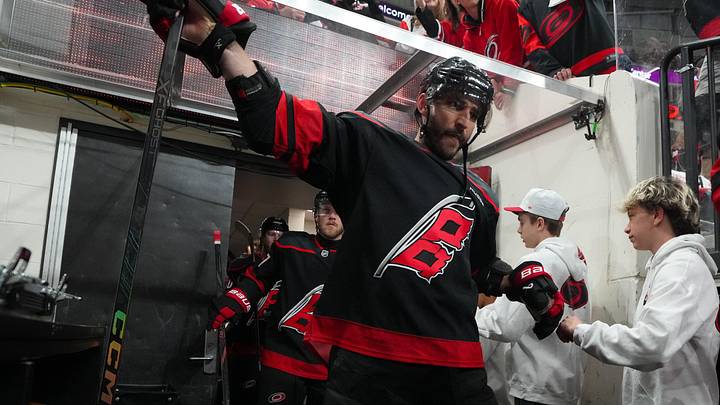
Division rival Montreal Canadiens acquired top center Nick Suzuki in a trade years back. Carolina Hurricanes lead scorer Taylor Hall, strangely enough, was a throw-in from the Chicago Blackhawks during the Rantanen trade era. Their pro scouting department is among the best in the league at spotting pro-level talent.
In short: the teams that contend are the ones that weaponize the trade market.
Free agency can yield high-end results
The solution doesn't just have to come from the trade market, either. Valeri Nichushkin, who was one of Colorado's top performers during their Stanley Cup run, came from the UFA market. Sam Malinski, a college player, joined the Avalanche on a team-friendly UDFA deal. Frederik Andersen, who has seemingly turned back the clock, signed a cheap free agent deal with the Carolina Hurricanes years back.
While the Hurricanes' core of players like Sebastian Aho and Jaccob Slavin is built from the draft, they, too, have bolstered their roster with depth through free agency and trades. Former Red Wing Shayne Gostisbehere was initially acquired by the Hurricanes via trade, played with the Red Wings for a season, then returned to the Canes, where he's since become one of their most lethal offensive threats on defense.
What the Red Wings can learn from this
If there's any key takeaway from this graphic, it's that there's not a one-size-fits-all solution to building a contending team. Having said that, though, there's a clear pattern to be deduced from all four contending teams. None of the rosters are built primarily through the draft. Teams like the Hurricanes and Avalanche have built their core through the draft, but add additional depth threats via free agency and trades to round out the roster.
The Red Wings, to put it simply, need to expand their options. They can't just wait on all the prospects to pan out. At this point, there need to be more innovative, creative solutions than just waiting and hoping. The good news is that they look to be clearing house with free agents this offseason. The bad news is, if they continue the path they're on, they'll keep signing guys that fit this underperforming mold.
Steve Yzerman has a lot of ground to cover this offseason.
 Add us as a preferred source on Google